
In today’s digital-first world, your website is often the very first conversation your brand has with a potential customer. It’s more than just a portfolio or an online brochure — it’s a powerful platform to share who you are, what you stand for, and why people should care.
So, how do you build a branding website that not only looks good but also tells your story authentically and effectively?
Let’s dive in.
1. Start with Clarity: Know Your Brand Inside Out
Before you even open a design tool or write a line of code, take a step back and define the core of your brand. Ask yourself:
- What values does your brand stand for?
- Who are you trying to reach?
- What makes you different from others in your industry?
- What tone and personality should your brand voice have?
This clarity becomes your website’s compass — guiding its design, content, and user experience.
2. Craft a Compelling Brand Story
People remember stories, not stats. Your “About” page shouldn’t just be a list of achievements or years in business — it should tell the human story behind the brand.
Share how and why your brand started. Talk about challenges you’ve faced, the mission that drives you, and the people behind the scenes. When users connect with your story emotionally, they’re far more likely to trust, engage, and buy from you.

3. Design with Intention
Your branding website should feel like your brand. That means using colors, typography, imagery, and layout that align with your message.
- Colors should evoke the right emotions (e.g., bold and energetic, calm and natural, minimal and modern).
- Fonts should reflect your tone — are you playful, elegant, or professional?
- Imagery should feel authentic and support your story rather than look like generic stock photos.
- Whitespace and structure should make your content feel digestible, not overwhelming.
Every visual element should work together to tell a consistent story — from your homepage hero section to your contact page.
4. Let Your Voice Shine Through Your Words
The copy on your site is just as important as the design. It should sound like you — not like a template.
Use a consistent tone that reflects your brand’s personality, whether that’s bold and confident, friendly and casual, or calm and informative. Your headline, product descriptions, blog posts, and even your button text (“Let’s Talk” instead of “Contact Us”) should all carry the same voice.
Speak directly to your ideal customer. Let them feel seen, understood, and welcomed.
5. Build Trust Through Testimonials and Social Proof
Your story becomes even stronger when others help tell it. Showcase testimonials, case studies, press mentions, or user-generated content to build credibility.
Let your audience hear from real people who’ve experienced your brand — this turns your story into a shared journey, not just a monologue.
6. Make It Easy to Connect and Convert
Once visitors connect with your story, make sure it’s easy for them to take action. Whether you want them to book a call, make a purchase, or sign up for your newsletter — your site should gently guide them there.
Use clear CTAs (calls-to-action), intuitive navigation, and a mobile-friendly layout. Great storytelling pulls people in, but great design moves them forward.
A great branding website doesn’t happen by accident. It’s carefully crafted — not just with beautiful design, but with intention, clarity, and a deep understanding of who you are as a brand. Beyond colors and layout, what truly makes a branding website powerful is its ability to create a feeling. When someone lands on your site, they should immediately sense the essence of your brand. That first impression, even if it only lasts a few seconds, is enough to either draw them in or make them click away.

This is why storytelling is at the heart of a successful branding website. It allows you to move beyond selling products or services — and start building real relationships. Instead of simply showcasing what you do, you begin to share why you do it. That why is where your emotional connection with the audience lives. It’s the space where potential customers become loyal fans, because they don’t just want what you offer — they believe in it.
Every part of your site can contribute to this story. The homepage, often the first page a visitor sees, should be a clear reflection of your purpose and personality. It should introduce your audience to your world, your values, and your energy. If someone can scroll through your homepage and walk away with a sense of who you are — without needing to read every word — then your branding is working.
Even your product or service pages should feel like part of the narrative. Rather than listing features in a cold, technical way, use these pages to continue the conversation. What problems are you solving? How will your offering improve the customer’s life? What transformation will they experience after working with you or buying from you? These questions, when answered naturally through your content, reinforce the emotional bridge you’re building with your audience.
Photography and visuals play a huge role in all of this. When your images feel authentic — when they feature real people, real moments, or thoughtful design — your website stops feeling like a sales tool and starts feeling like a living, breathing representation of your brand. You’re not just “selling” anymore; you’re inviting visitors into your world.
Five Online Passive Income Streams to Start with Zero Investment
But a branding website must also be functional. All the emotional impact in the world won’t matter if your site is confusing to use or hard to navigate. People should feel guided, not lost. Everything from the menu layout to how your content is organized should serve the user. A story should flow — not leave someone stuck on a dead-end page or clicking through a maze. Smooth transitions, thoughtful page hierarchy, and responsive mobile design all play a role in creating an intuitive experience.
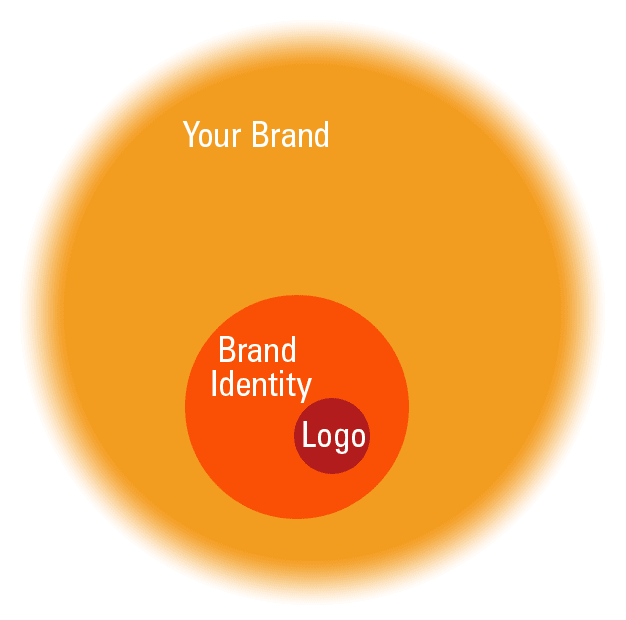
At the core of everything is consistency. The story you’re telling on your website should align with what you’re saying on your social media, in your emails, and in person. That consistency builds trust. And trust is what ultimately drives people to take action — to buy, book, subscribe, or simply come back.
What makes a branding website powerful is not just how it looks or even how it functions — it’s how it feels. It’s the connection it creates, the trust it builds, and the story it tells, page by page. And the best part? That story is uniquely yours.
You don’t need to shout to stand out. You just need to speak clearly — and speak like you. With authenticity, purpose, and design that aligns with your values, your website becomes more than a place online. It becomes a home for your brand, and an invitation for others to be part of it.
Frequently Asked Questions (FAQ)
1. What is a branding website, and how is it different from a regular website?
A branding website is designed to communicate the heart and soul of your business. Unlike basic websites that only focus on function (like listing services or products), a branding website emphasizes storytelling, design, voice, and emotional connection. It’s built to showcase your personality, values, and mission — turning casual visitors into loyal fans.
2. Do I need a branding website if I’m just starting out?
Yes — in fact, it’s especially important when you’re just starting. A strong brand presence from day one helps you stand out in a crowded market. It builds trust and recognition early, allowing you to grow with confidence and attract your ideal audience more quickly.
3. What should I include on my branding website?
Key pages often include a homepage that reflects your message, an authentic About page, service or product pages that speak to your audience’s needs, a blog or insights page to showcase your voice, and a contact or call-to-action page that encourages engagement. Visuals, testimonials, and personal storytelling are also crucial.
4. Can I build a branding website without hiring a designer?
Absolutely. With platforms like Wix, Webflow, and Squarespace, you can create beautiful, functional sites yourself. However, working with a designer can help bring more strategy and consistency to your visuals and message. The most important thing is to stay true to your story and keep things clear and cohesive.
5. How do I know if my branding website is working?
A successful branding website engages your audience, increases time spent on your pages, and inspires action — whether that’s subscribing, purchasing, or contacting you. You’ll also notice more consistent messaging across your platforms and deeper connections with your community. Tools like Google Analytics and feedback from real users can give you valuable insights. Read more