
Christina Michelle has turned the dream of passive income into her reality. She built a thriving print-on-demand shop that now brings in over $10,000 each month—all while working less than 10 hours a week. Her journey didn’t start with a business degree or big investment, but with a commitment to working smarter and focusing on what matters.
Readers searching for freedom from the nine-to-five grind often want proof that building real income online is possible. Christina’s story shows that with the right approach, earning full-time money from anywhere can be done. This post will walk through the proven steps and strategies she uses, making her process clear for those who want to follow in her footsteps.
For more practical advice on building lasting online income streams, readers can explore her tips in How to Earn Money Online in 2025.
The Print-on-Demand Business Model: Christina’s Approach
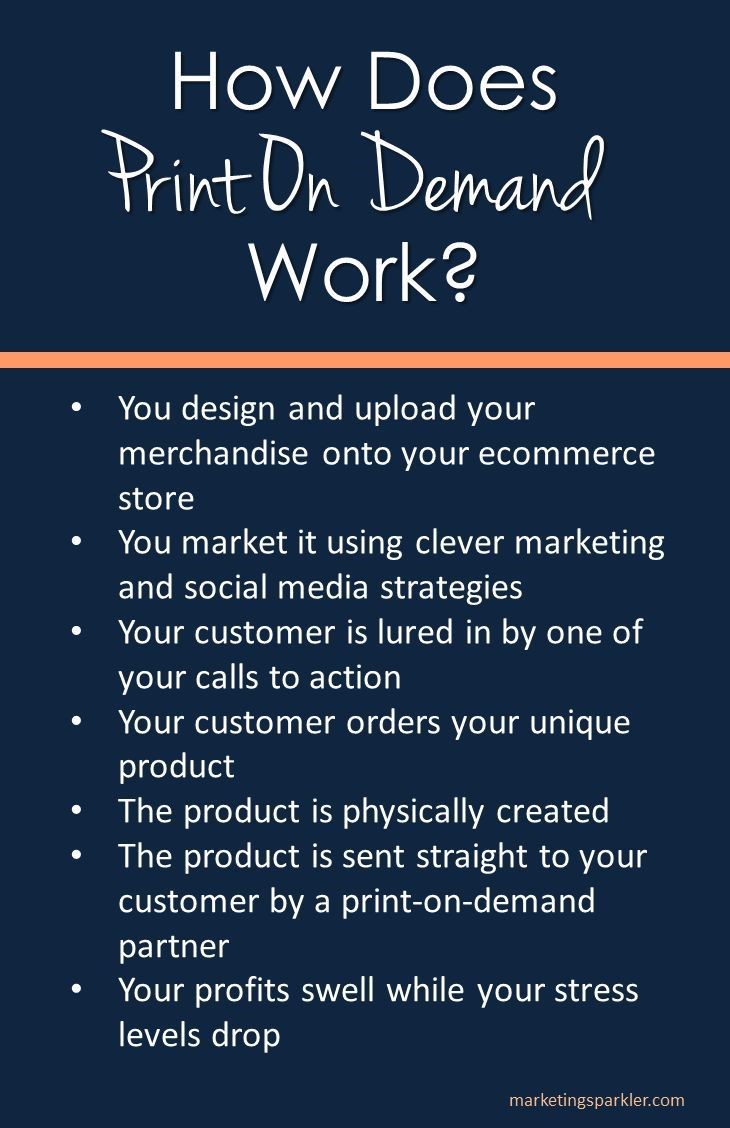
The print-on-demand (POD) business model gives aspiring entrepreneurs freedom and flexibility. Christina Michelle chose this model to scale her online store without the stress of inventory, shipping, or big upfront costs. By partnering with platforms like Etsy and Printify, she built an operation that runs with minimal oversight. The process is simple: she creates digital designs, connects them to white-label products, and lets the platforms handle everything else—from printing to delivery.
What draws many people to POD is its low risk and passive nature. Christina saw that she could grow her income by focusing on the right products and tactics from the start. Her business is built on two key strategies: sticking to timeless, in-demand products and targeting smaller niche markets.
Evergreen vs. Seasonal Product Strategy: Christina’s Preference for Consistency
Christina prefers evergreen designs over seasonal ones for a straightforward reason: consistency. While holiday-focused products can bring quick spikes, they often fizzle out within weeks. Evergreen products, on the other hand, keep selling year-round.
- Evergreen products—such as motivational quotes, simple geometric patterns, or classic jokes—appeal to buyers at any time. Christina sees steady orders, not just bursts around holidays.
- Choosing evergreens helps Christina avoid inventory headaches and last-minute prep for specific holidays or trends.
- She saves time by not having to redesign or relist new products for every seasonal wave.
- Consistent sales mean easier cash flow tracking and business planning.
This strategy means her store doesn’t panic if Valentine’s Day or Christmas sales don’t materialize. It builds a predictable income, letting her work less and earn more across the entire year.
For anyone starting a print-on-demand business, prioritizing consistency over quick, seasonal wins sets the stage for long-term growth. Those interested in the best POD companies powering this model can explore the top print-on-demand companies for 2025.
Embracing Niche Markets for Consistent Revenue
Christina’s business success comes from looking where others don’t. Instead of chasing saturated markets, she zeroes in on untapped and less competitive niches. This method increases her visibility and makes her products stand out.
How does Christina identify a winning niche? She:
- Studies market trends but looks for under-served communities or interests.
- Mixes up keywords, themes, colors, and fonts, allowing her to spot fresh demand pockets.
- Tests multiple product types to see where her best-sellers emerge—anything from mugs to t-shirts.
- Uses customer reviews and feedback to refine her designs and keyword choices.
This focus on niche audiences means she doesn’t have to fight established competitors for every sale. The result? More loyal repeat buyers and less price pressure.
Experimenting with design and keywords also gives Christina’s shop a unique flavor. Her store becomes known for specialty products—sometimes things as specific as rare dog breeds or quirky hobbies. If you’re curious about finding your niche market, Shopify’s overview of the best print-on-demand companies and sites offers fresh ideas and platforms to get started on your journey.
By prioritizing evergreen products and niches, Christina keeps her POD store profitable, even with very few hours each week—making the business model truly passive and scalable.
 Photo by Nadezhda Moryak
Design Process and Product Pipeline Management
Running a print-on-demand store at Christina Michelle’s level means balancing creativity with clear systems. She doesn’t just come up with an idea and hope for the best—she treats her design process like a smart factory, making use of volume, data, and streamlined workflows. Christina’s approach lets her design and list over 100 products, manage her growing catalog, and still keep her workload under 10 hours a week.
Testing, Iteration, and Scaling Up: Fast Feedback Loops for Winning Products
Christina starts by brainstorming product ideas that fit her evergreen and niche focus. She sketches or creates digital mockups, testing different styles, quotes, and graphics. Rather than putting all her energy into a handful of “perfect” designs, she believes in volume. This method gives her quick feedback on what sells and what’s a miss.
She follows a simple process:
- Launch batches of new designs using varied mockups.
- List them on multiple products—t-shirts, mugs, tote bags, and more.
- Track early performance with real sales data and customer feedback.
- Double down on the styles that get traction, either by improving them or creating spin-offs.
- Phase out or ignore listings that don’t hit.
By iterating fast, Christina finds best-sellers much quicker than those who rely on instinct. She uses metrics like conversion rates, favorites, and even abandoned cart numbers to identify the listings with the most potential. This funnel-style approach keeps her shop fresh and filled with designs that have already proven they can draw buyers.
Scaling happens when winning products are given priority. Christina might:
- Add new color variations or font options.
- List the design on more product types.
- Optimize keywords and product descriptions.
- Boost visibility with small paid ads or social proof.
These steps allow her to multiply her wins without taking big risks. For those interested in optimizing their own selling systems, checking out resources like the guide to building a profitable subscription box can give additional insights for product and inventory strategies.
 Photo by Christina Morillo
Workflow Optimization and Use of Virtual Assistants
Christina’s not doing all this alone or with outdated tools. She’s built an efficient system using automation and a trusted virtual assistant to handle the heavy lifting.
Here’s how she keeps her workload minimal:
- Automation Tools: She uses apps to schedule product uploads, set up automated responses for customer messages, and sync orders between platforms and suppliers.
- Virtual Assistant: Her assistant handles:
- Listing products with supplied images and descriptions.
- Updating inventory or product information as needed.
- Responding to common customer inquiries.
- Researching trending products or keywords.
With clear templates and checklists, Christina’s assistant can run most daily operations without micromanagement. This structure lets Christina focus on high-level decisions and design work—the parts that move her business forward.
By delegating and automating, Christina maintains the “hands-off” life many shop owners only dream of. She can spend more time brainstorming and less time bogged down in routine tasks.
If you’re aiming to scale your store, putting these systems in place means you can manage large inventories (100+ listings!) without burnout. This combination of process, tech, and people is a big part of how Christina produces steady, high profits—without sacrificing her time.