In today’s digital world, establishing a strong personal brand is more important than ever. Whether you’re a freelancer, an entrepreneur, or a professional looking to enhance your career prospects, a personal website is one of the most powerful tools to help you stand out from the crowd. But it’s not just about having an online presence—it’s about creating a brand that truly represents who you are, your values, and what you offer to the world. A bold personal website can help you do just that.
A personal website isn’t just a digital business card. It’s a platform where you control the narrative. It’s an opportunity to share your story, showcase your skills, and build connections with others in your field. Unlike social media platforms, where your profile is subject to algorithms and limitations, your website is your domain, giving you full creative control. It’s the place where you can express yourself freely, without any restrictions, and curate your image in a way that aligns with your vision.
The first step in building your personal brand through a website is clarity. You need to have a clear vision of what you want your brand to represent. Are you an expert in your field? Do you want to showcase your creative work or entrepreneurial ventures? Your website should serve as a reflection of your passions, expertise, and aspirations. Think about the message you want to convey and the type of audience you want to attract. This clarity will guide the design, content, and overall direction of your site.
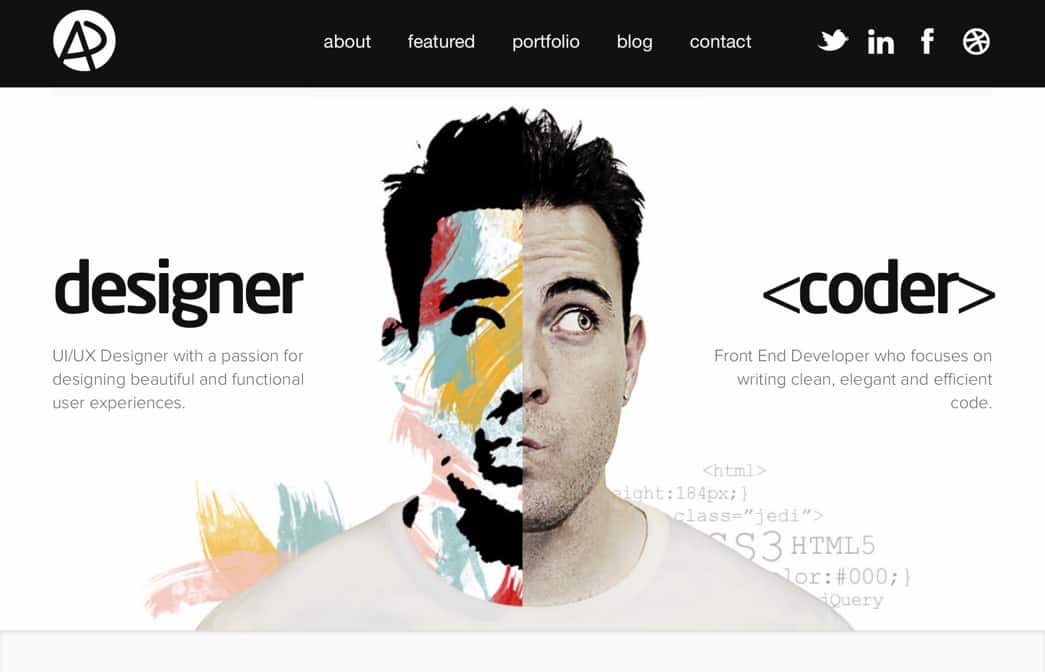
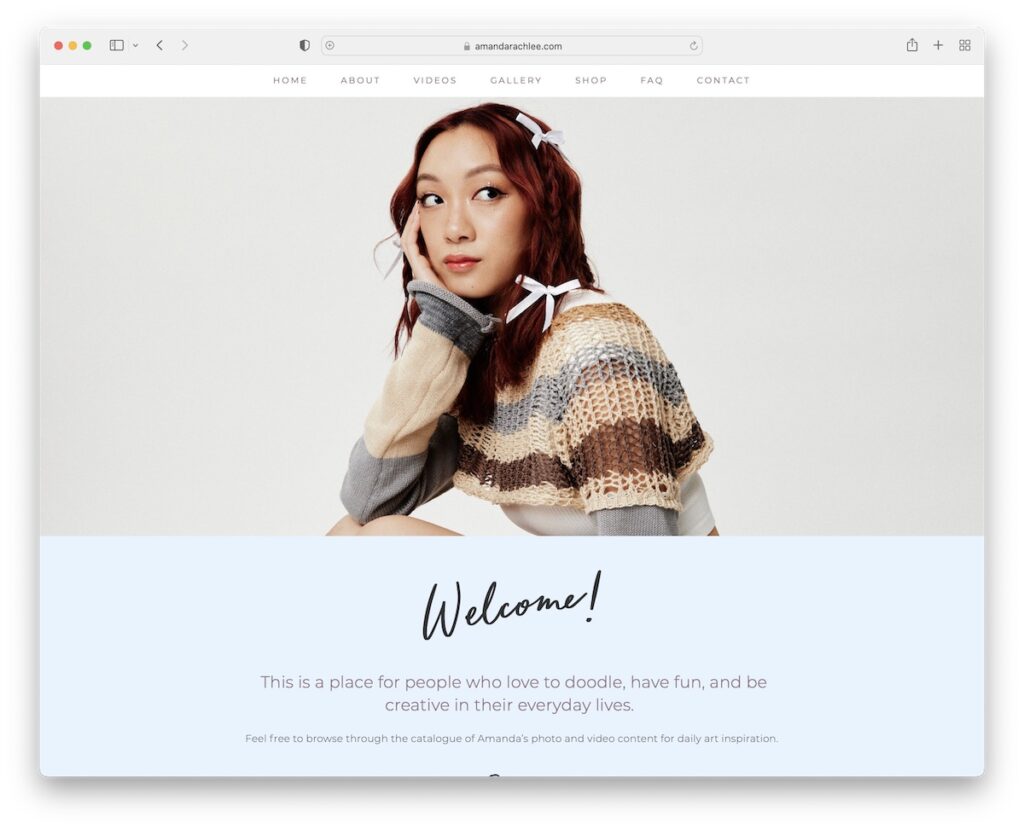
Design is another critical aspect of your personal website. A visually appealing and user-friendly design is essential in making a strong first impression. Your website should not only be aesthetically pleasing but also intuitive, allowing visitors to easily navigate and find the information they’re looking for. Colors, fonts, and images should align with your personal brand and create a cohesive experience for users. A sleek, modern design can communicate that you are current, professional, and ready to engage with the world.
Beyond aesthetics, the content of your website plays a pivotal role in elevating your presence. Your website should highlight your skills, accomplishments, and any work you’ve done. A portfolio section, for example, can serve as a gallery of your work or a list of projects you’ve completed. This could be particularly valuable for creatives like designers, writers, and photographers who need to show rather than tell their potential clients about their abilities. For those in professional fields, showcasing case studies or a well-written resume can help establish credibility and highlight your expertise.
An essential part of building your personal brand is also being transparent and authentic. A personal website allows you to share your story and personality in a way that other platforms don’t. Including a section about who you are, what you value, and why you do what you do can connect you with your audience on a deeper level. Authenticity is a key driver of trust, and trust is a critical element when it comes to establishing a strong personal brand. Being real with your audience allows them to relate to you, making them more likely to engage with your content or services.
Another important feature of your personal website is the ability to connect with others. Including clear calls to action (CTAs) for visitors to contact you, book a consultation, or follow you on social media makes it easy for people to get in touch. You should also have links to your social media profiles, blog, or newsletter if you manage one. This connectivity allows your website to serve as a hub for all your professional and personal activities, encouraging visitors to engage with you across multiple channels.
Having a personal website also positions you as a thought leader or authority in your field. By regularly updating your site with blog posts, articles, or other content, you can share your insights, expertise, and thoughts on industry trends. This kind of content can help solidify your reputation as someone who is knowledgeable and passionate about their work. Furthermore, when you actively contribute valuable content, your website becomes a go-to resource for others who want to learn more about your niche.
A personal website is also essential for search engine visibility. In a world where Google is the go-to for finding information, having a website that’s optimized for search engines ensures that people can find you easily when they search for terms related to your expertise. SEO (Search Engine Optimization) can help you appear in relevant searches and drive more traffic to your site, expanding your reach and helping you grow your network.
How to Grow Your Blog Website- A Complete Guide for Consistent Success
Lastly, a personal website can help elevate your career. Whether you’re seeking new job opportunities, freelance gigs, or potential collaborations, a strong online presence can open doors. When prospective employers or clients search for you, they’ll find more than just a LinkedIn profile or social media page—they’ll find a full representation of who you are and what you offer. It’s a professional space that makes you look polished and serious about your career.
In conclusion, a personal website is not just a luxury—it’s a necessity in today’s digital landscape. It’s the ultimate way to elevate your presence and brand yourself as someone who takes their career seriously. Whether you’re looking to connect with like-minded individuals, showcase your work, or grow your business, a bold personal website gives you the freedom to control how the world sees you. By investing time and effort into crafting a website that aligns with your personal brand, you take a step toward standing out in a crowded digital world. So, why wait? It’s time to build your digital home and let the world discover the best version of you.
Building a personal website is more than just a design project—it’s a transformative journey that can shape how the world perceives you. Your website is not only a tool for self-promotion but also a platform for self-expression. When done right, it becomes a powerful testament to your professional skills, creativity, and personality, giving you the opportunity to control your narrative in a way that other social media platforms cannot.
The process of crafting a personal website can seem daunting, especially if you’re not familiar with web design. But the beauty of today’s technology is that you don’t have to be a coding expert to create a stunning, functional website. User-friendly website builders like WordPress, Wix, and Squarespace have made it easier for individuals with no technical background to design and launch a site. These platforms provide customizable templates and intuitive drag-and-drop editors, allowing you to focus on building the content that matters most.
While the design and technical aspects of your site are important, it’s the story you tell that will truly differentiate you from others. One of the most compelling reasons to create a personal website is the ability to share your journey. Think of your website as an interactive resume or portfolio—a place where you can not only showcase your achievements but also explain the passion, experiences, and values that drive you. Whether you’re an artist, a writer, a developer, or an entrepreneur, your personal website is your stage. It’s your chance to present yourself in the best possible light, without the constraints of traditional resumes or LinkedIn profiles.
Moreover, personal websites provide the freedom to present your work in dynamic ways. For example, if you’re a writer, your website can house a blog that serves as an ongoing portfolio of your thoughts, research, or creative writing. If you’re a photographer, you can create a visually appealing gallery that showcases your best shots. As a business owner, your website becomes your storefront, where you can display your products, services, and client testimonials. You can even add a blog or resource section that offers value to your visitors, establishing you as an authority in your field.
It’s important to consider how your personal website will evolve over time. As your career or business grows, so should your website. A personal website is not a one-time project—it’s an ongoing endeavor that should be updated regularly to reflect new skills, achievements, and experiences. This dynamic aspect of your site keeps it relevant and fresh, providing a compelling reason for visitors to return. Regularly updated content also plays a significant role in SEO, helping your site rank higher in search engines and keeping you visible in an increasingly crowded digital space.
Your personal website can also serve as a networking tool. By including your contact information, social media links, and even an email sign-up form, you make it easy for potential collaborators, clients, or employers to reach out. You can also integrate tools like scheduling apps or inquiry forms, enabling visitors to book consultations or inquire about your services directly through the site. By making it easy for others to connect with you, your website becomes a catalyst for opportunities. Read more
One of the most powerful aspects of a personal website is its ability to grow your credibility. In a digital age where competition is fierce, standing out requires more than just skills—it requires a perception of professionalism and authority. A personal website can help establish you as an expert in your field. As you post content, share your work, and engage with your audience, your reputation will grow, as will your network. Over time, your website can become a trusted resource for people seeking information or services that you offer.
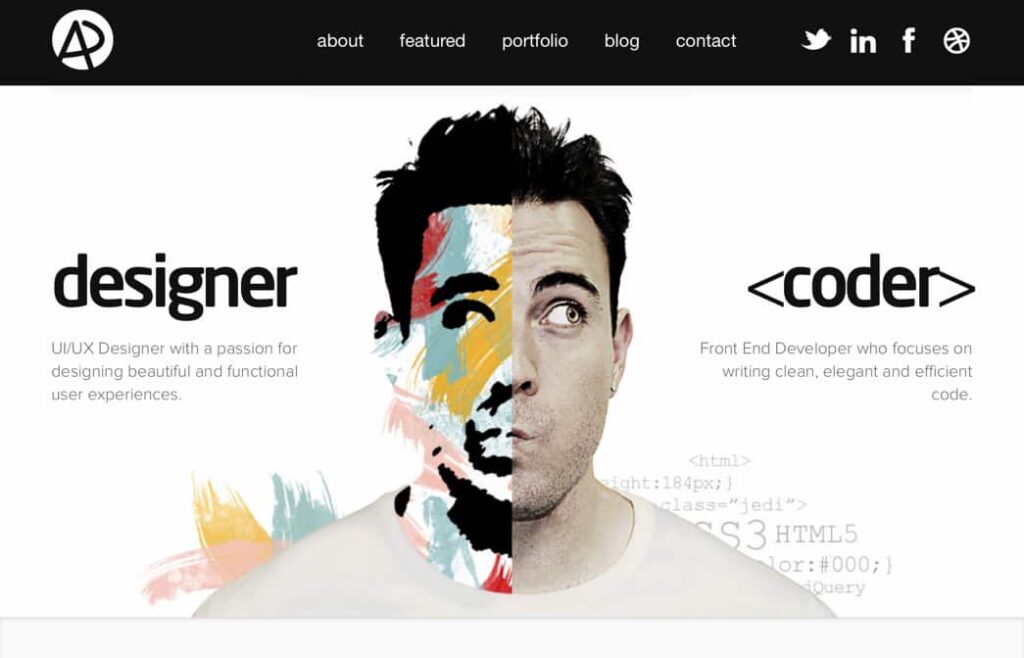
Your website also acts as a portfolio of not only what you do but how you do it. Through blog posts, testimonials, case studies, or even project breakdowns, you can offer insight into your work process, thought leadership, and how you approach challenges. This transparency gives visitors an in-depth look at your work ethic, your commitment to quality, and your ability to solve problems—all qualities that set you apart from others in your industry.
Ultimately, a personal website gives you the opportunity to shape your narrative. The digital space is filled with noise, but a carefully crafted website allows you to cut through that noise and present a clear, consistent message. It’s a place where you can define your professional identity and control the narrative around it, rather than relying on third-party platforms or others’ perceptions. Whether you’re using it to grow a business, land your dream job, or simply share your creative work with the world, a personal website is a reflection of you—your skills, passions, and ambitions.
In the end, building a personal website isn’t just about creating a digital presence. It’s about elevating your brand and transforming the way others see you. It’s a powerful tool for establishing your authority, showcasing your talents, and building connections that can propel you forward in your career or personal endeavors. In a world where first impressions are often made online, a bold personal website is your opportunity to stand out and make an impact.